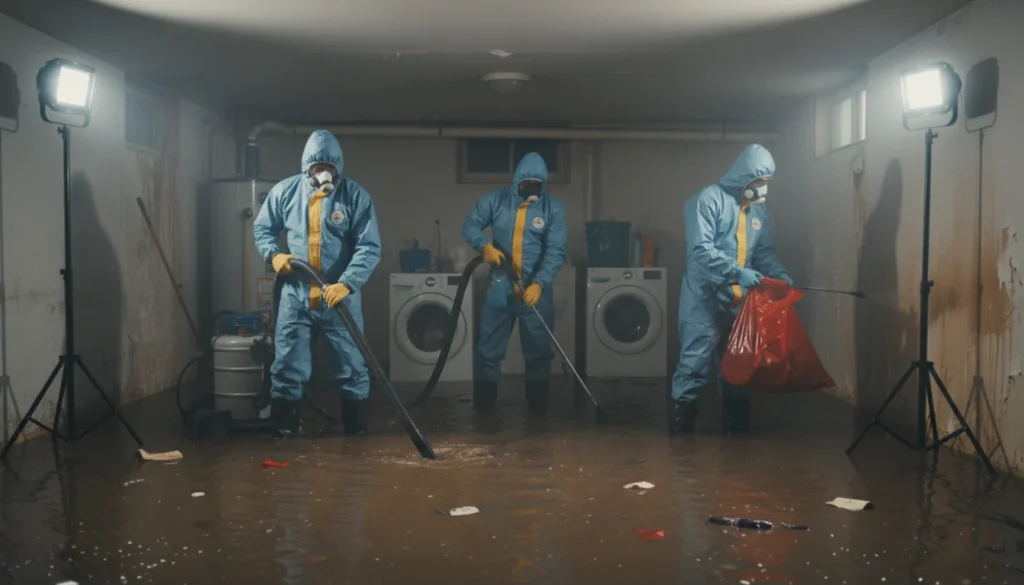
If you’re facing a sewage backup in your Cape Coral home, stop everything and keep people away from the affected area—sewage carries dangerous pathogens like E. coli and hepatitis A that thrive in our humid Southwest Florida climate. The first step is to shut off the water supply to prevent more overflow, then call a certified biohazard cleanup team immediately, as DIY attempts often spread contamination further in our high-water-table soils. In Cape Coral, where heavy rains and canal proximity worsen backups, professional intervention prevents long-term health issues and structural damage.
Sewage backups hit Cape Coral homeowners hard, especially during rainy season when our flat terrain and aging infrastructure overwhelm drains. I’ve responded to these calls for over a decade here, and what starts as a gurgling toilet can turn into a biohazard nightmare if not addressed fast. Understanding the risks and response keeps your family safe and your property intact.
Common Causes of Sewage Backups in Cape Coral Homes
Cape Coral’s unique setup—built on drained swampland with a high water table just a few feet below ground—makes backups more frequent than in higher-elevation areas. Combine that with our canal system, where tidal fluctuations push water back into sewers, and you’ve got a recipe for trouble. Here’s what I see most often:
- Clogged pipes from tree roots: Mangrove and palm roots invade older clay or cast-iron lines common in 1970s-80s homes, especially near the canals in NE Cape Coral. Roots seek moisture and crack pipes over time.
- Heavy rain overload: During June-November wet season, downpours saturate soil, causing groundwater infiltration into sewer lines. Last year’s hurricanes left many lines compromised.
- Flapper or wax ring failures: Inefficient toilets from pre-1990s builds wear out, allowing backups to bubble up through fixtures.
- Shared lateral lines: Neighborhood backups happen when one homeowner’s issue affects the main sewer lateral serving multiple houses on your block.
- Grease buildup: Cooking fats solidify in our hot pipes, narrowing flow—worse in multifamily homes or rentals.
These aren’t rare; in my experience, 60-70% of Cape Coral calls trace back to roots or rain-related infiltration.
Warning Signs of an Impending or Active Sewage Backup
Don’t wait for standing water. Early detection saves you from the worst. Watch for these in your Cape Coral property:
| Sign | Severity Level | What It Means Locally |
|---|---|---|
| Slow drains in multiple fixtures | Low | Partial blockage; common in humid months when pipes sweat and collect debris. |
| Gurgling sounds from toilets/showers | Medium | Air pressure building; high water table pushing back. |
| Foul odors like rotten eggs | Medium-High | Hydrogen sulfide from anaerobic bacteria—worse near canals. |
| Sewage seeping from floor drains or tubs | High | Full backup; evacuate immediately, pathogens spreading. |
| Mold growth on walls/ceilings post-incident | Critical | Our 80%+ humidity accelerates black mold alongside bacteria. |
If you smell that unmistakable stench drifting from your yard drains, it’s often tidal backup from the Caloosahatchee influencing Cape Coral sewers.
What to Do Right Now: Immediate Response Steps
Your goal: contain, don’t clean yet. Here’s the safe sequence I’ve drilled into every crew member:
- Evacuate and ventilate: Get everyone out, especially kids and elderly. Open windows/doors from outside if safe.
- Shut off water: Main valve usually in garage or yard box—prevents more sewage generation.
- Stay out of water: No wading; even inches carry 100s of coliform bacteria per ml, risking skin infections or worse.
- Photograph everything: For insurance; note time, affected areas.
- Call pros: Don’t plunge or snake—spreads bacteria into air and surfaces.
For minor sink clogs, a plunger or enzyme drain cleaner works DIY, but any sewage exposure means pro cleanup to avoid cross-contamination.
How Professionals Handle Emergency Sewage Backup Cleanup
A certified sewage backup cleanup team like ours follows EPA and OSHA protocols tailored to Cape Coral’s conditions. We arrive with full PPE: Tyvek suits, respirators, booties. Step-by-step:
Containment and Assessment
Seal off the area with plastic sheeting and negative air machines to prevent spore spread—crucial in our drafty slab homes.
Water Removal
Truck-mounted extractors pull out contaminated water, disposing at approved sites (not your storm drains).
Disinfection
Apply hospital-grade disinfectants like quaternary ammonium or hydrogen peroxide, effective against biohazards. Multiple rinses ensure no residue.
Drying and Deodorization
Dehus and air movers dry subfloors in 24-48 hours; our odor removal tech neutralizes H2S gases that linger in humid air.
Structural Checks
Inspect for water damage under tiles, common in older Cape Coral builds.
Total job: 4-8 hours for average 500 sq ft garage or laundry room. Costs vary by extent, but expect $2k-$10k including disposal fees—insurance often covers Category 3 water losses.
Cape Coral’s Local Factors Amplifying Sewage Backup Risks
Our subtropical climate means year-round warmth fosters bacterial growth; backups left over 24 hours spawn mold colonies visible in days. High water table (2-4 ft deep) means backups recur without root barriers or pipe relining. Hurricane season floods yards, infiltrating cleanouts. In NE Cape Coral, proximity to the river exacerbates tidal surges. Older homes (pre-2000) with galvanized plumbing corrode faster in brackish groundwater. Post-Ian, many laterals remain fragile, so backups spiked 30% last year from my call logs.
Prevention Strategies Tailored for Cape Coral Homeowners
Proactive beats reactive. Implement these:
- Annual plumbing inspections: Camera snake laterals for roots—$200-400, catches 80% issues early.
- Root barriers: Install along pipes near trees/palms.
- Grease traps: Use strainers, never pour fats down drains.
- Backwater valves: $500-1k install, prevents tidal/groundwater intrusion.
- Extend downspouts: Away from foundation to avoid saturation.
- Know your cleanout: Locate and cap it for quick access.
For severe cases, full pipe replacement with PVC runs $100-200/ft but lasts 50+ years here.
When to Call a Pro in Cape Coral
DIY if it’s just a single fixture clog with no sewage exposure. But if there’s overflow, odors from multiple drains, or any visible waste, call immediately—health departments mandate pro cleanup for biohazards. In Cape Coral, delays lead to mold invasions that double restoration costs. Cape Coral Biohazard Pros specializes in biohazard cleanup in Cape Coral, arriving 24/7. Reach us at (239) 327-0029 when safety demands it—we’ve got the gear and local know-how to restore your home fast.
Leave a Reply