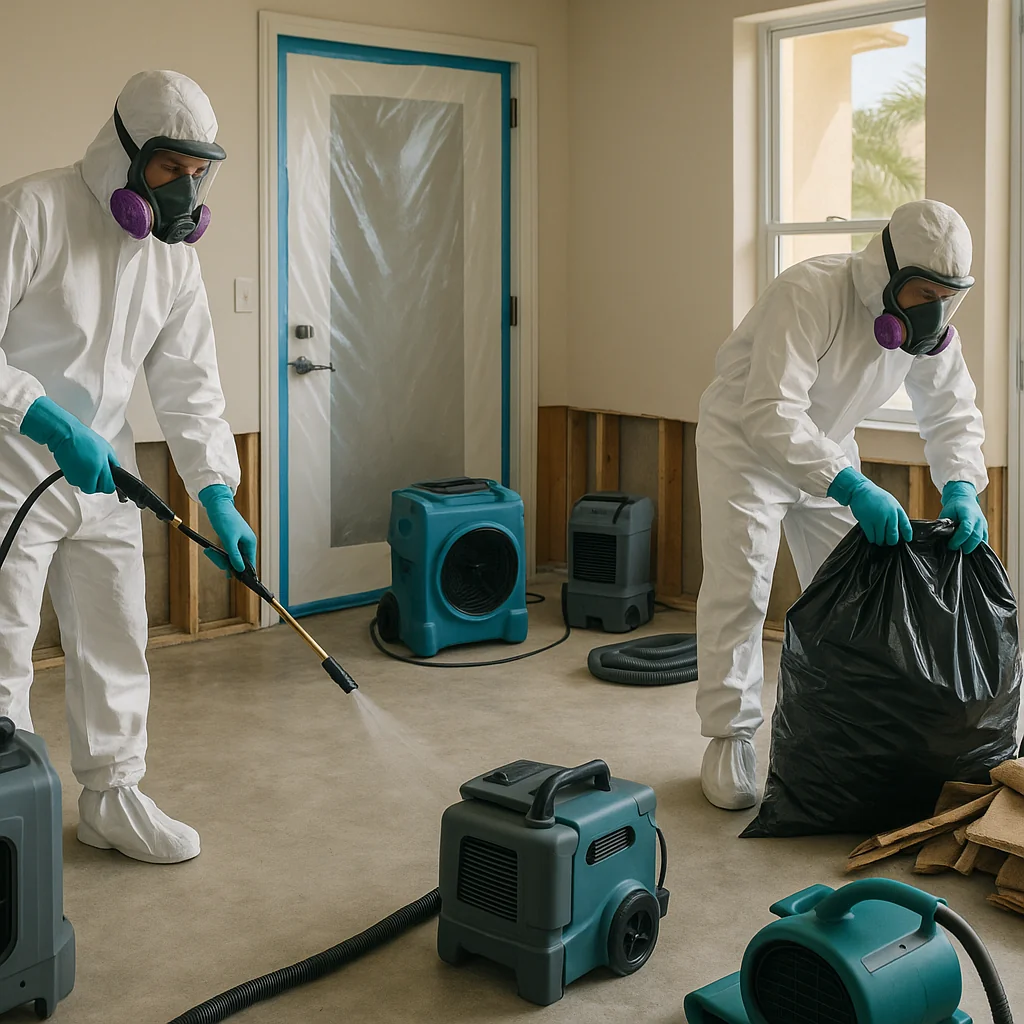
After a hurricane hits Cape Coral, prioritize safety by staying out of flooded areas until power is restored and waters recede, then check for sewage backups from our canal system and dead animals in standing water. Wear PPE like gloves, boots, and N95 masks before touching anything, and ventilate your home by opening windows if mold isn’t already visible. For businesses, secure perimeter fencing first to prevent looting amid chaos.
Hurricanes like Ian in 2022 left Cape Coral with widespread flooding from its 400 miles of canals, turning homes and shops into biohazard zones overnight. Sewage, chemicals, and organic debris create health risks that linger in our humid climate, leading to mold growth within 48 hours if not addressed. Getting cleanup right protects your family, employees, and property value in this waterfront city.
Common Causes of Biohazard Trauma Post-Hurricane in Cape Coral
Cape Coral’s unique layout amplifies hurricane damage. Our interlocking canal system, which makes up 10% of the city’s area, overflows during storms, pushing raw sewage into streets and homes. Saltwater intrusion from the Gulf corrodes older concrete block homes built in the 60s and 70s, cracking slabs and allowing contaminants inside.
Dead fish, birds, and even larger animals wash up, decomposing fast in 90-degree heat. For businesses near Jaycee Park or the Yacht Club, tourist debris mixes with marina spills—oils, fuels, and human waste from overwhelmed septic systems. Roof leaks from wind-damaged shingles let rainwater mix with attic insulation, creating bacterial soups.
- Sewage backups: 70% of calls we get post-storm involve this from clogged canals.
- Mold from humidity: Our 80% average RH speeds growth on drywall.
- Chemical hazards: Generators and boats leak fuels into floodwater.
Warning Signs of Trauma Cleanup Needs
Don’t wait for smells to knock you over. Discoloration on walls—yellowish-brown streaks from sewage—or black spots on grout signal immediate biohazards. In Cape Coral’s slab-on-grade homes, buckling baseboards mean water trapped underneath, breeding bacteria.
For businesses, sticky residues on concrete floors from dried floodwater indicate dissolved solids that harbor pathogens. Wildlife scat piles up fast; raccoons love our mangroves and invade attics during storms.
| Sign | Severity | Action |
|---|---|---|
| Foul, sewage-like odor | High | Evacuate, call pro |
| Visible mold patches | Medium | Contain, ventilate |
| Dead animals | High | Do not touch |
| Warped floors | Low-Medium | Dry immediately |
What to Do Right Now: Safe First Steps
Turn off electricity at the breaker if water levels are above outlets—Cape Coral’s frequent outages make this critical to avoid shocks. Document damage with photos for insurance before moving debris.
- Gear up: Rubber boots, nitrile gloves (latex tears on sharp debris), goggles, respirator.
- Remove standing water: Use wet vacs for small amounts; avoid if sewage suspected.
- Air it out: Fans and dehumidifiers, but only after power’s safe. Open canal-side windows cautiously for cross-breeze.
- Bag waste double: Heavy mil bags for bio-waste, seal and stage outside away from kids/pets.
DIY small spots like a single dead fish in the yard, but anything involving human waste or multiple animals needs pros. Bleach solutions (1 cup per gallon water) work for hard surfaces, but never mix with ammonia from cleaners.
How Pros Handle Hurricane Trauma Cleanup
We arrive with containment barriers first, sealing off affected zones to prevent cross-contamination—something homeowners can’t replicate. ATP meters test surfaces for organic residue; readings over 500 mean deep clean needed.
HEPA vacuums capture 99.97% of mold spores, unlike shop vacs. Enzyme treatments break down proteins in sewage, followed by hospital-grade disinfectants. For structural drying, we use air movers at 500 CFM and desiccants pulling 40 pints/day moisture.
In severe cases, like post-Ian canal overflows, we remove 2-4 inches of subfloor sheathing and treat joists. Businesses get priority pathogen swabbing for OSHA compliance. Full jobs take 3-7 days, depending on square footage.
This mirrors protocols in crime scene cleanup, where containment is key to safety.
Cape Coral-Specific Challenges and Local Insights
Our flat terrain (sea level average) means inches of rain equal feet of flood in low yards. Homes in West Cape Coral face more brackish water from Matlacha Pass, corroding rebar faster. Central areas near Veterans Parkway see commercial runoff with pesticides.
Seasonal nor’easters June-November pack 10-15 inches rain; combined with storm surge, it overwhelms pumps. Older stucco homes wick moisture up walls, hiding mold behind tile. Businesses along Del Prado suffer from traffic debris post-evacuation.
In Central Cape Coral, slab cracks from subsidence let groundwater seep, mixing with sewage. NE yards back to preserves harbor alligator scat—extra pathogen risk.
Adapting to Local Housing
- Slab homes: Cut and jack up sections for under-slab drying.
- Canal-front: Bulkhead repairs before cleanup.
- HOA properties: Coordinate dumpster placement per codes.
Prevention Tips for Next Hurricane Season
Elevate generators 3 feet above BFE (base flood elevation—check FEMA maps for your zone). Install canal gates or backflow valves; they pay off after one storm. Trim mangroves 10 feet from house to deter wildlife.
Stock dehumidifiers and test monthly. Businesses: Seal dock drains, elevate stock 18 inches. Annual septic inspections prevent backups—Cape Coral’s high water table stresses tanks.
Seal roof vents with hurricane tape; our winds hit 100+ mph easy. For mental health post-storm, watch for trauma signs, as suicide cleanup spikes after disasters like Irma.
When to Call a Pro in Cape Coral
Skip DIY if sewage touched porous surfaces, mold covers >10 sq ft, or dead animals number more than one. Pros handle permits for waste disposal—Lee County rules require certified haulers. For peace of mind, reach Cape Coral Biohazard Pros at (239) 327-0029 when biohazards overwhelm. We’ve cleaned hundreds of local sites, from NE Cape Coral condos to waterfront shops.
Leave a Reply