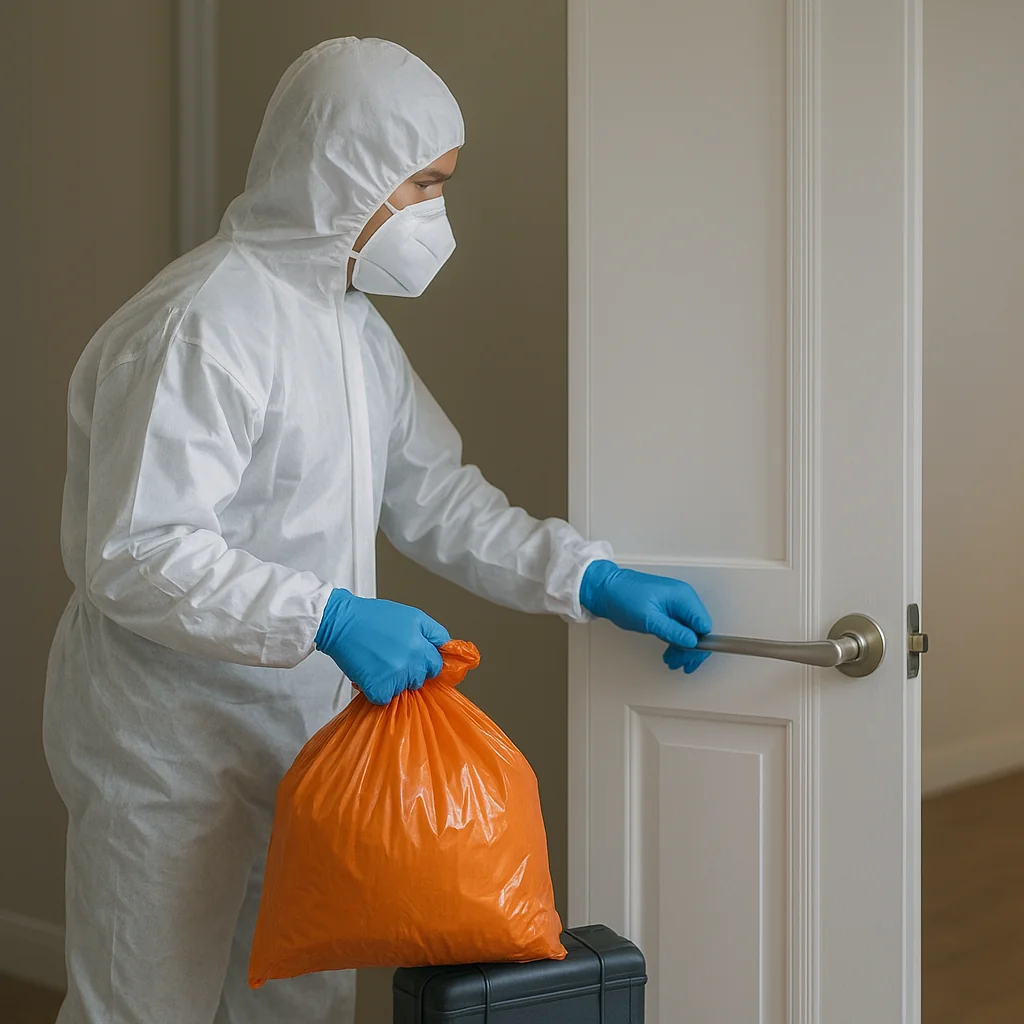
When a sensitive biohazard situation arises in a Cape Coral home—like an unattended death or suicide cleanup—Cape Coral Biohazard Pros prioritize discretion from the first call. We arrive in unmarked vans, use covered containment to block views, and work quietly to contain and remove hazards without drawing neighbor attention, especially in tight-knit neighborhoods along the canals. Every step follows OSHA and EPA guidelines to ensure safety and privacy.
Cape Coral homeowners face unique pressures in these scenarios. With our waterfront properties and close community vibe, word spreads fast if cleanup crews show up flashy. That’s why handling it discreetly isn’t just polite—it’s essential to protect your family’s peace during tough times.
Common Causes of Sensitive Biohazard Situations in Cape Coral
Sensitive biohazards often stem from unattended deaths, which happen more frequently here due to our aging population and hot, humid climate speeding decomposition. Florida’s medical examiner data shows hundreds of such cases yearly in Lee County alone, many in single-family homes like those in Yacht Club Area. Other triggers include overdoses in rental properties or violent incidents in older concrete-block homes common west of Del Prado.
Our canals and frequent summer storms exacerbate issues—standing water promotes bacterial growth, turning a body discovery into a full fluid outbreak within 24-48 hours. Hoarding situations, seen in about 20% of our calls, compound this, with clutter hiding hazards until odors alert neighbors.
Warning Signs That Demand Immediate Attention
Don’t ignore these red flags, especially in Cape Coral’s 90-degree heat:
- Foul, sweet odors penetrating walls—unlike regular trash smells, biohazards carry a distinct putrid note from cadaverine and putrescine.
- Discoloration on walls, ceilings, or floors: dark stains or greenish hues from bodily fluids seeping into drywall.
- Swarming flies or maggots in summer months, drawn by moisture in our subtropical air.
- Unexplained leaks from ceilings in upstairs units, common in multi-story canal homes.
If you spot multiple signs, it’s past DIY—fluids can carry hepatitis or HIV, lingering viable for weeks in humidity.
| Sign | Severity | Action |
|---|---|---|
| Odor only | Low | Ventilate, monitor |
| Stains + odor | Medium | Contain area, call pro |
| Insects + fluids | High | Evacuate, call immediately |
What to Do Right Now If You Suspect a Biohazard
First, stay out—don’t touch anything to avoid cross-contamination. Seal the room with plastic sheeting and tape if safe, turning off HVAC to prevent spore spread through ducts, a big issue in our air-conditioned homes.
- Call authorities if undiscovered; otherwise, contact a certified team directly.
- Keep family and pets away; fluids migrate via gravity in slab-on-grade houses.
- Document minimally for insurance—photos from the doorway suffice.
- Avoid cleaners; bleach reacts badly with organics, creating toxic gases.
DIY works for small blood spills under 10 sq ft if you’re gloved and using 10% bleach, but anything larger or decomposed needs pros. In Cape Coral, post-hurricane power outages have led to more pet deaths turning biohazards too.
Step-by-Step: How Cape Coral Biohazard Pros Handle It Discreetly
We treat every job like your neighbor shouldn’t know. Here’s our on-site process, honed from hundreds of Cape Coral calls:
Arrival and Containment (Phase 1)
Unmarked vehicle parks discreetly. Team in plain clothes initially assesses via phone-guided entry. We erect 6-mil plastic barriers with negative air machines—scrubbing 500 CFM to contain odors and particles, vital in breezy canal-side homes.
Hazard Removal (Phase 2)
Full Level C PPE: respirators, Tyvek suits, double gloves. Gross fluids go into red biohazard bags (3-mil thick), solids triple-bagged. We cut out porous materials—carpet pads absorb 10x weight in fluids here due to humidity.
For crime scene cleanup, we map blood spatter patterns to ensure total removal, using ATP meters to verify surfaces swab below 100 RLU.
Decontamination and Odor Control (Phase 3)
Enzymatic cleaners break proteins; ozone generators (post-venting) neutralize volatiles. See our odor removal approach for lingering smells. HEPA vacuums capture 99.97% particulates.
Final Verification and Restoration
Third-party air testing if requested, then minor repairs like paint touch-ups. Whole job: 4-8 hours for average 200 sq ft room, wrapped without fanfare.
Why Cape Coral’s Environment Makes Discretion and Speed Critical
Our 95% humidity accelerates decomp—bodies reach purge fluid stage in 36 hours vs. 72 elsewhere. Hurricane season floods basements, mixing sewage with biohazards. In West Cape Coral‘s newer subdivisions, open layouts mean odors travel fast to garages and AC returns.
Soil here—sandy with high water table—means ground fluids don’t dissipate, risking well contamination. Seasonal snowbirds returning to smells trigger community gossip, so our unmarked, quiet ops prevent that.
Prevention Tips for Cape Coral Homeowners
Check on elderly neighbors weekly, especially June-November storm season. Install water alarms in garages; maintain AC to avoid mold amplifying odors. For rentals, annual hoarding checks reduce risks.
Secure meds to cut overdose calls—lockboxes work. Post-storm, power your fridge generator-first. These steps cut our visits by catching issues early.
When to Call Cape Coral Biohazard Pros
Call if stains exceed a dinner plate, odors persist 24 hours, or insects appear—don’t risk health or stigma. We’re local, responding in under 60 minutes. Reach us at (239) 327-0029 for discreet Biohazard Cleanup in Cape Coral. Your privacy stays first.
Leave a Reply