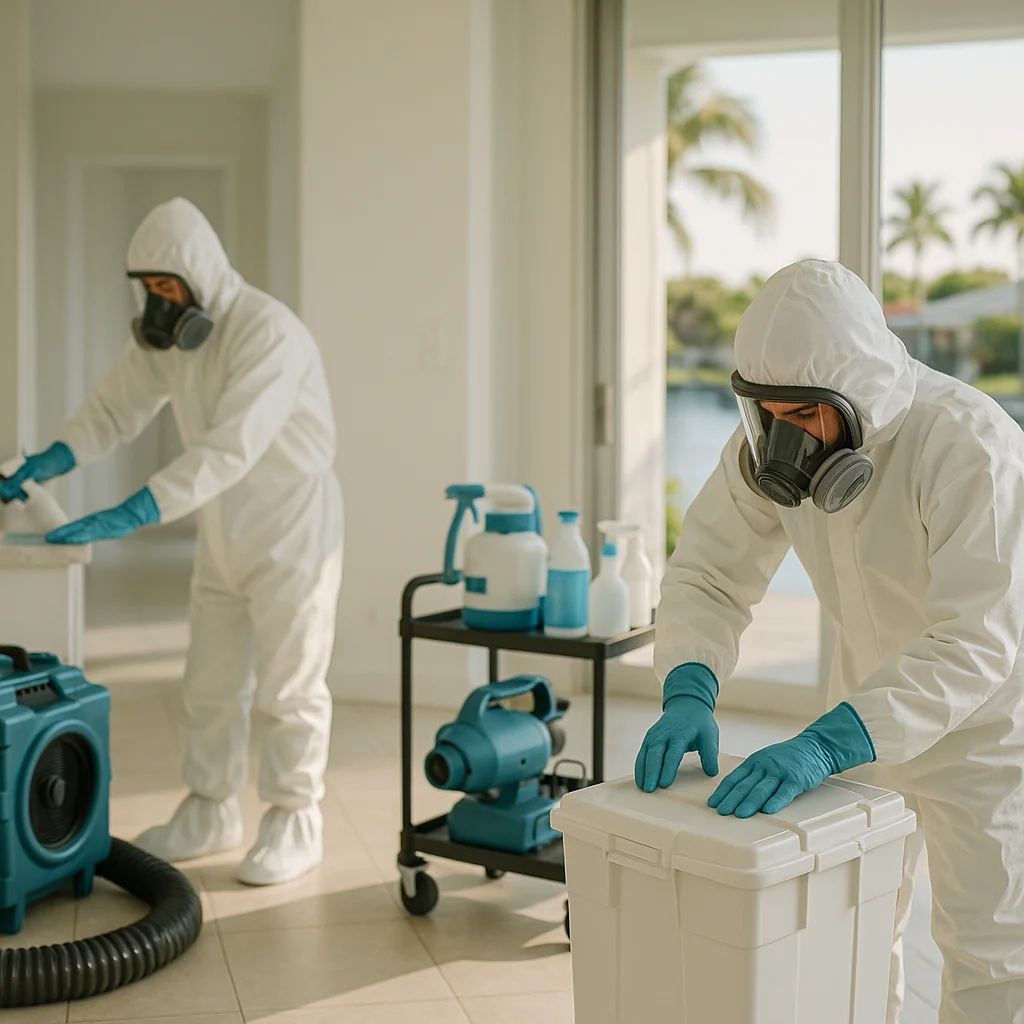
Unattended death cleanup in Cape Coral means safely removing biohazards from a body that’s decomposed undiscovered for days or weeks, often in humid homes along the canals. Professionals use EPA-approved disinfectants and handle fluids, tissues, and odors that regular cleaning can’t touch. In our local heat, decomposition speeds up, making quick pro intervention essential to avoid mold and structural damage.
For Cape Coral homeowners, especially in older waterfront properties or snowbird-empty houses, an unattended death turns a quiet passing into a health nightmare fast. I’ve walked into hundreds of these scenes over years on the job here, and the key is recognizing it early and calling experts who know our sweltering summers and canal-side moisture.
Common Causes of Unattended Deaths in Cape Coral
Most cases we see stem from natural causes in seniors living alone, like heart attacks or strokes—no one checks on them for a week or more. Overdoses hit younger folks in rentals around Central Cape Coral, where apartments cluster tightly. Suicides account for about a third; check our suicide cleanup details for overlaps. Medical emergencies in isolated homes, falls without phones nearby, or even heat-related issues during our brutal summers leave bodies undiscovered. With thousands of retirees and vacation homes, Cape Coral’s seasonal population swings leave gaps in neighborly watch.
Warning Signs You Can’t Ignore
The smell hits first—a sweet, putrid odor seeping through walls or vents, worse in our 90% humidity. Look for clusters of flies or maggots on windowsills, especially post-rainy season. Stains on floors or furniture, often dark reddish-brown, and discoloration on drywall from leaked fluids. In enclosed spaces like bathrooms, you’ll see bloating effects on doors from gas buildup.
| Sign | Severity Level | Days Post-Death (Cape Coral Heat) |
|---|---|---|
| Faint odor | Low | 1-3 days |
| Heavy fly activity, stains | Medium | 4-7 days |
| Maggots, wall damage, pooling fluids | High | 8+ days |
Our subtropical air accelerates this; a body in 85°F with moisture purges fluids twice as fast as drier climates.
What to Do Right Now If You Suspect It
Stop—don’t go inside if possible. The biggest risk is aerosolized pathogens from disturbing the scene. From outside, note the address and call authorities first: Lee County Sheriff’s non-emergency line or 911 if unsure. Ventilate by cracking windows if safe, but wear an N95 mask and gloves for any peek inside. Avoid touching anything; even porous surfaces like carpets hold hepatitis or bacteria for weeks.
- Secure the area: Lock doors, post warnings.
- Notify next of kin if known.
- Contact a certified biohazard team—DIY is never safe here due to our water table pulling contaminants into soil.
You can handle light odor with vinegar initially, but anything beyond that needs pros.
How a Pro Handles Unattended Death Cleanup
We start with full PPE: Tyvek suits, respirators, booties. Assessment: Air quality tests for VOCs and pathogens, moisture meters for hidden spread. Containment: Seal rooms with poly sheeting, negative air machines scrub particles.
Removal phase: Gross decon scoops tissues and fluids into biohazard bags, using absorbent powders for pools. Then structural: Cut out contaminated drywall (usually 2-4 feet up), subfloor sections if soaked. Disinfection hits three levels—hospital-grade cleaners, fogging for HVAC, ozone for odors if no porous items left.
Finals: ATP swabbing verifies clean, HEPA vacs, and deodorizing. Whole job: 8-48 hours depending on size; a 1,200 sq ft home might take two days. We document for insurance, dispose via medical waste haulers.
Tools We Use On-Site
- Biohazard-rated vacuums
- Enzymatic digesters for proteins
- UV lights for shadow pathogens
- Thermal imaging for fluid migration
Cape Coral’s Unique Challenges in Unattended Death Cleanup
Our humidity fuels mold growth within 48 hours on damp organics—common in canal-adjacent homes where floods already weaken structures. High water table means fluids seep into slabs fast, risking groundwater contamination. Older 1970s-80s ranch homes in Yacht Club Area have tile over concrete, trapping moisture underneath. Hurricane season evacuations or snowbird absences stretch discovery times; we’ve done scenes in NE Cape Coral empty for months. Westside properties near West Cape Coral lots see more wildlife drawing in pests faster.
Salt air corrodes tools quicker, and sandy soil shifts under heavy equipment. Pros adapt with dehumidifiers running 24/7 during cleanup.
Prevention Tips for Cape Coral Homeowners
Install medical alert systems or Ring cameras with motion alerts—cheap insurance. Schedule wellness checks via neighbors or services, especially October-April for snowbirds. Smart thermostats flag unusual inactivity by temp swings from body heat. Keep emergency contacts visible, and for rentals, mandate tenant check-ins.
In multi-gen homes, clear paths to phones. Our community watch groups help; join local Facebook pages for alerts.
When to Call a Pro in Cape Coral
If there’s any odor, stains, or insect swarms, don’t wait—health codes require certified cleanup for unattended deaths. Cape Coral Biohazard Pros handles Biohazard Cleanup in Cape Coral 24/7; give us a call at (239) 327-0029 to assess safely. We’ve got the local know-how to restore your home without spreading risks.
Leave a Reply